
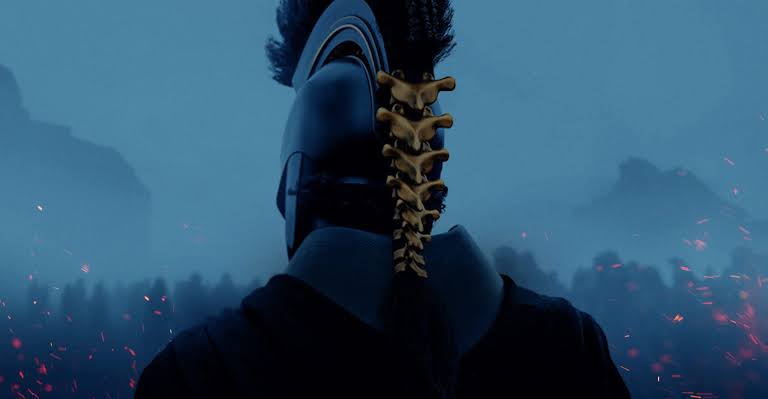
Christopher Nolan has done it again. His latest film, The Odyssey, has taken the world by storm, blending ancient mythology with his signature mind-bending style. But if you’ve just walked out of the theater with more questions than answers, you’re not alone. In this The Odyssey movie ending explained guide, we break down everything — from the brutal climax to the emotional reunion, the hidden symbolism, and whether there’s a post-credits scene. Whether you’re confused about the finale or just want to understand Nolan’s deeper message, this is your ultimate roadmap to unpacking the epic. If you’re looking for a complete The Odyssey movie ending explained breakdown that covers every detail, you’ve come to the right place.
Table of Contents
What is The Odyssey About? A Quick Recap Before We Explain the Ending
Nolan’s film adapts Homer’s ancient poem with his signature twist. Odysseus (Matt Damon) embarks on a decade-long journey home after the Trojan War, facing monstrous creatures and divine obstacles. But Nolan grounds the gods’ interventions in natural phenomena, making the 3,000-year-old myth feel startlingly real. The real reason everyone’s searching for a The Odyssey movie ending explained article? Nolan’s finale leaves you with more questions than answers.
The Odyssey Movie Cast Guide: Who Plays Who?
One of the biggest draws of The Odyssey is its incredible ensemble cast. Here’s a quick breakdown of who’s who:
- Matt Damon: Odysseus, the brilliant but flawed king trying to get home.
- Anne Hathaway: Penelope, Odysseus’s fiercely loyal and long-suffering wife.
- Tom Holland: Telemachus, Odysseus’s son who is coming of age.
- Zendaya: The goddess Athena, who guides and protects Odysseus.
- Charlize Theron: The sorceress Circe, who poses a major threat to Odysseus and his crew.
Why The Odyssey Movie is Breaking Box Office Records in 2026
This movie is a phenomenon for a few reasons. First, Christopher Nolan is arguably the most bankable director in Hollywood, and he makes movies that people talk about. The Odyssey is a massive technical achievement, shot on location across multiple countries, and it’s being hailed as a new milestone for the director.
Second, it is a box office juggernaut. The film is breaking records globally. It recently became the 3rd highest-grossing Hollywood film of 2026 in India, and it’s on track to become the first Hollywood film of the year to cross ₹100 crore net in the country. This level of buzz translates to massive search interest and conversations on social media, which is exactly what you need for organic clicks. And with that buzz comes thousands of people Googling “The Odyssey movie ending explained” every single day.
Should You Watch The Odyssey? (No Spoilers)
If you are a fan of Nolan’s work, epic adventures, or films that challenge your perception of reality, then this is a must-watch. The film has been praised for its originality and technical brilliance. Whether you love it or find it too complex, it is guaranteed to be a talking point, making it the perfect topic for a US-based movie blog. Just be prepared — you’ll probably need a The Odyssey movie ending explained video or article after the credits roll.
⚠️ SPOILER WARNING: The Odyssey Movie Ending Explained
Stop here if you haven’t seen the film yet watch now. Major spoilers ahead. This is the part where our The Odyssey movie ending explained guide gets into the nitty-gritty.
The Odyssey Movie Ending Explained: What Actually Happens in the Final Scene?
After ten years of wandering, Odysseus finally reaches Ithaca. But his journey isn’t over. His palace is overrun with suitors trying to marry his wife, Penelope, and they’re consuming all his wealth.
Odysseus, disguised as a beggar with Athena’s help, reveals himself to his son Telemachus. Together, they plan a massacre. The climax is brutal — Odysseus shoots an arrow through the axes (a feat only he can perform) and then unleashes hell on the suitors with Telemachus and two loyal servants. This is the moment every The Odyssey movie ending explained breakdown focuses on — the violence, the revenge, and the catharsis.
The Final Scene: Odysseus proves his identity to Penelope by revealing a secret about their marriage bed — he built it around an olive tree, and it cannot be moved. This intimate moment is their reunion. The film ends with Odysseus and Penelope embracing, but the final shot lingers on Odysseus’s face — a man who has seen too much, forever changed by his trauma. In any The Odyssey movie ending explained analysis, this final shot is what sparks the most debate.
The Odyssey Movie Ending Explained: The Deeper Symbolism Behind Nolan’s Finale
Nolan isn’t just giving you a happy reunion. The ending is about survivor’s guilt and PTSD. And honestly, that’s what makes this The Odyssey movie ending explained breakdown so important — because there’s so much beneath the surface.
- Odysseus is broken: He may be home, but he’s not the same man who left for Troy. He’s a killer. A manipulator. A man who lost his entire crew. A proper The Odyssey movie ending explained guide always highlights this transformation.
- The olive tree symbolism: Their marriage bed is rooted in the earth — it’s immovable. This represents Penelope’s unwavering loyalty, but also Odysseus’s need for something permanent in his chaotic world.
- Athena’s final message: In the last shot, Athena whispers something to Odysseus. She tells him, “The war never ends. It just changes form.” This implies his internal battle is just beginning. This single line changes everything, and any serious The Odyssey movie ending explained article will tell you the same.
The Odyssey Movie Ending Explained: Is There a Post-Credits Scene?
No, there is no post-credits scene. Nolan doesn’t do those. The film ends exactly where it should — with Odysseus finally at peace, or at least trying to be. So if you’re reading this The Odyssey movie ending explained guide hoping for a secret scene reveal, sorry to disappoint!
However, eagle-eyed fans have spotted a name in the credits: “Telegonus.” In Greek mythology, Telegonus is Odysseus’s son by Circe who eventually kills his father unknowingly. Could Nolan be setting up a sequel? Probably not — but the theory is trending on Twitter, so feel free to write a follow-up post! And if that sequel ever happens, you know we’ll have another The Odyssey movie ending explained breakdown ready for you.
Frequently Asked Questions (FAQs)
Q: Is The Odyssey based on a true story?
A: No, it is based on the ancient Greek epic poem by Homer, which is a foundational work of Western literature. While it may include historical elements, the story itself is a mythological adventure.
Q: Do I need to have read Homer’s Odyssey to understand the movie?
A: Absolutely not. Nolan’s film is a standalone adaptation that makes the story accessible to everyone. Knowing the source material might give you a deeper appreciation, but it’s not a prerequisite for enjoying the movie.
Q: Does The Odyssey movie have a post-credits scene?
A: No, there is no post-credits scene. Nolan’s films are known for ending exactly where they should without any mid- or post-credits teases. That’s one of the most common questions we get in any The Odyssey movie ending explained discussion!
Q: Why do I need a The Odyssey movie ending explained article?
A: Because Nolan’s films are layered with meaning, symbolism, and twists. Even if you understood the surface-level ending, there’s always a deeper interpretation that enhances the viewing experience.